Paving the way for scale-ups to industrial production
Bühler and Icos accelerate growth path for scale-ups in the food and biotech industries
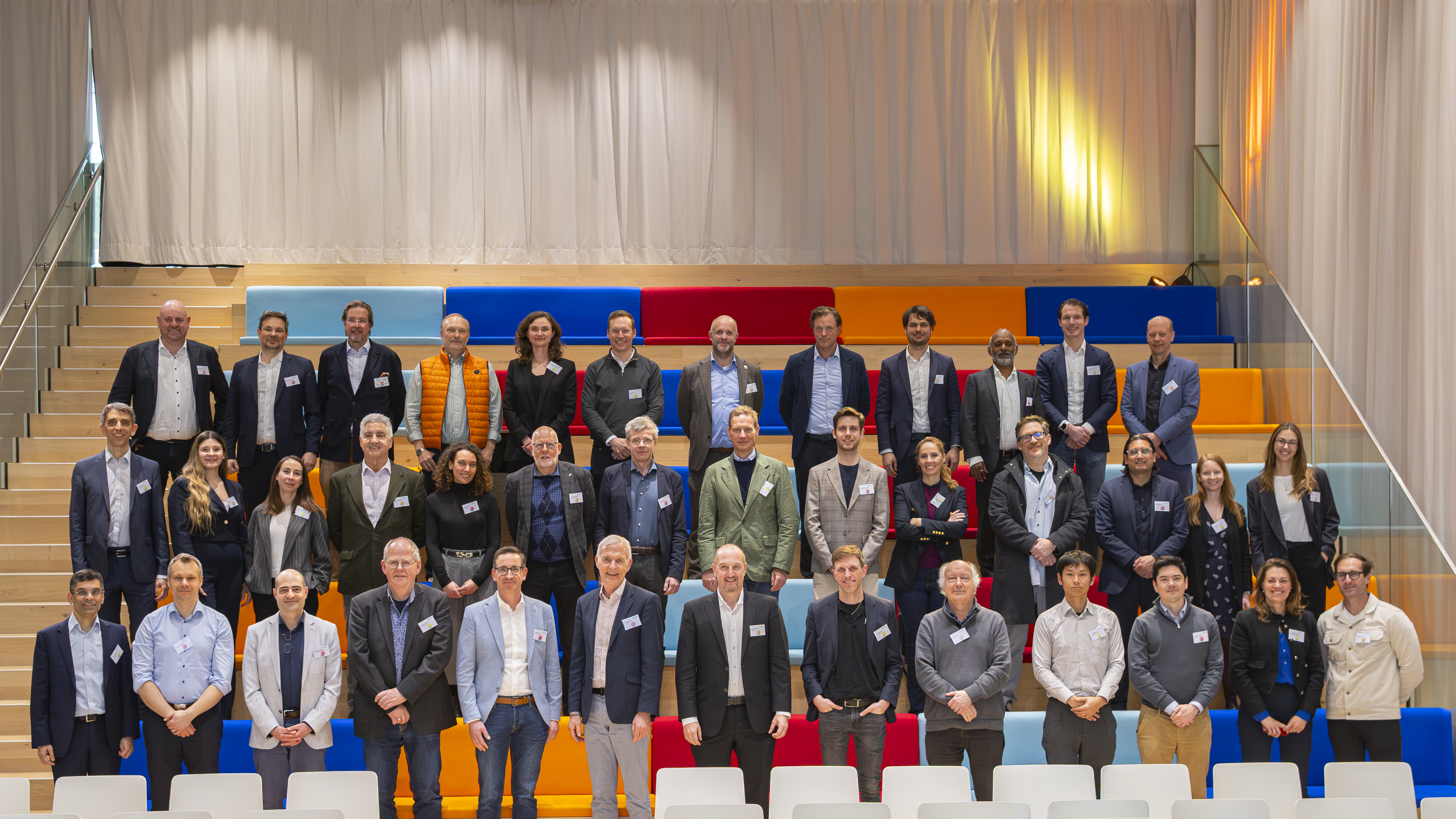
Uzwil (Switzerland), April 8, 2026 – Climate tech venture capital fund, Icos Capital, held the “Collaborative Summit” at Bühler’s CUBIC Innovation Campus on April 1–2, 2026. The event brought together investors, industry leaders, and scale-ups from the food and biotech sectors to discuss challenges and find ways to bring promising solutions to market faster. The participants agreed that in uncertain and volatile times, close collaboration and sharing insights on innovations are more important than ever.
The 17th Collaborative Summit, focused on accelerating sustainability, was hosted at Bühler’s CUBIC Innovation Campus for the fourth time in a row. The goal of this series is to facilitate the collaboration between scale-ups, industry partners, and investors to multiply the impact of some of the most promising solutions in the food and biotechnology sphere. Nityen Lal, Founding Partner at Icos Capital, experiences the impact of these collaborations every day. “Since 2006, the start-ups backed by Icos have disrupted and led their respective markets. This year, we focused on four key aspects: Raising capital in challenging markets, tackling the challenge of scaling up, powering biotech advancements with artificial intelligence, and the strategy from growth to exit.”
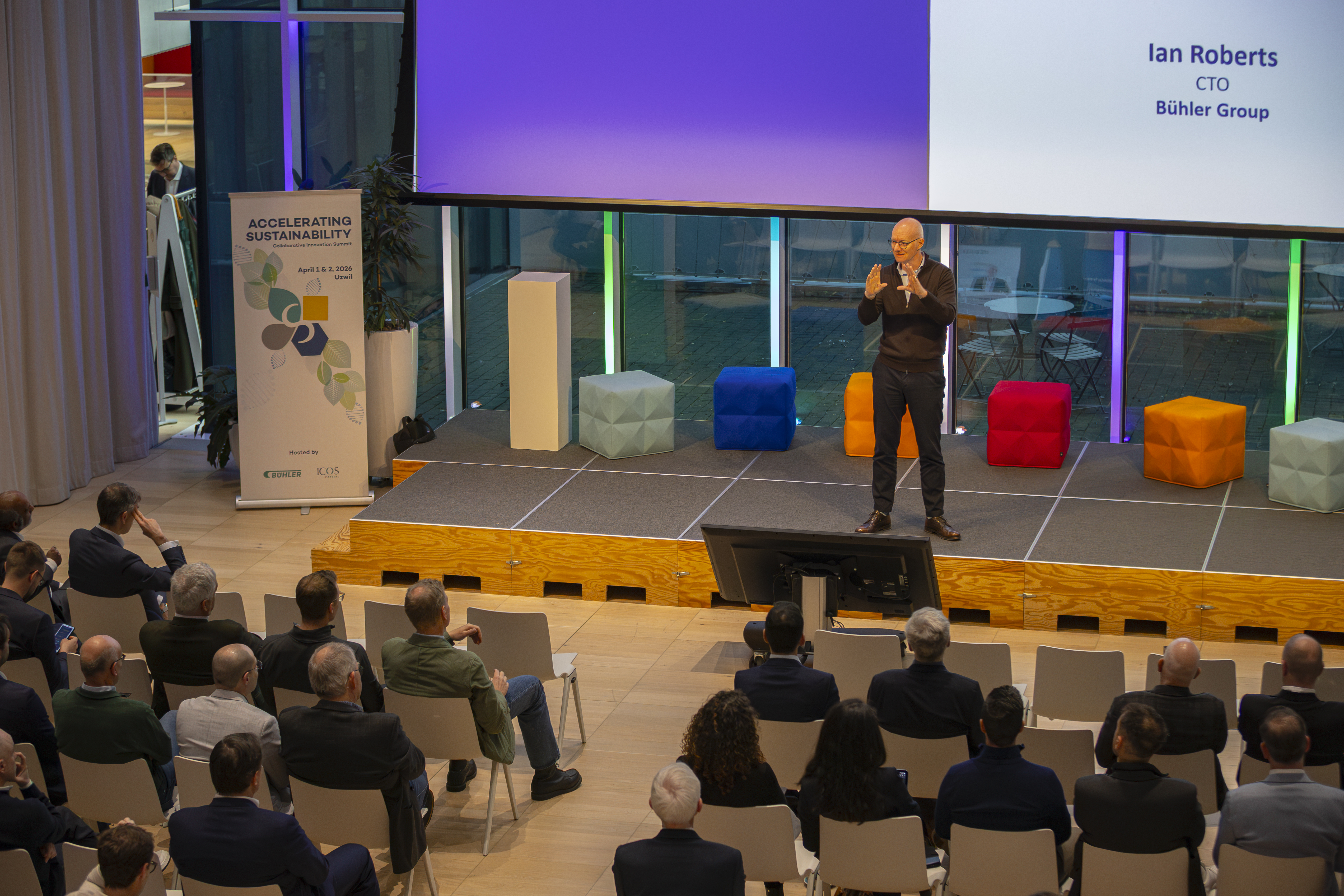
A total of 35 scale-ups and 40 industry partners, venture capital firms, and governmental institutions from Bühler’s and Icos’ extensive network took the opportunity to exchange ideas, find solutions to challenges, and build partnerships to take ideas to the next level. “We are proud to contribute to strengthening this collaborative venture approach that accelerates meaningful innovation at scale,” said Ian Roberts, Chief Technology Officer at Bühler. As a leading solution partner for the food, feed, and mobility sectors, Bühler works with selected partners to build a global collaboration ecosystem. “With their established supply chains and strong market positioning, corporates in the room can play a pivotal role in a scale-up’s journey – helping them to grow their business and amplify their positive impact far more quickly,” added Roberts.
Strengthening the resilience of global food systems
The discussions highlighted the structural shifts shaping the future of the food system, emphasizing that sustainability must be embedded across all activities – no longer as a separate objective, but as a starting point for innovation and business decisions. Three major developments were presented as both pressure points and opportunity for the industry: the growing influence of GLP-1-type treatments on consumption patterns, the nutritional needs of an aging population, and the growing attention on ultra-processed foods. “These shifts are redefining how we think about food,” Roberts said. “They also create significant opportunities for entrepreneurs who can develop solutions that combine health, affordability, sustainability and wonderful customer/consumer experience.” Roberts further stressed the importance of strengthening the resilience of global food systems, including the role of farmers and the need for more inclusive and economically viable value chains.
Addressing the scale-up challenges
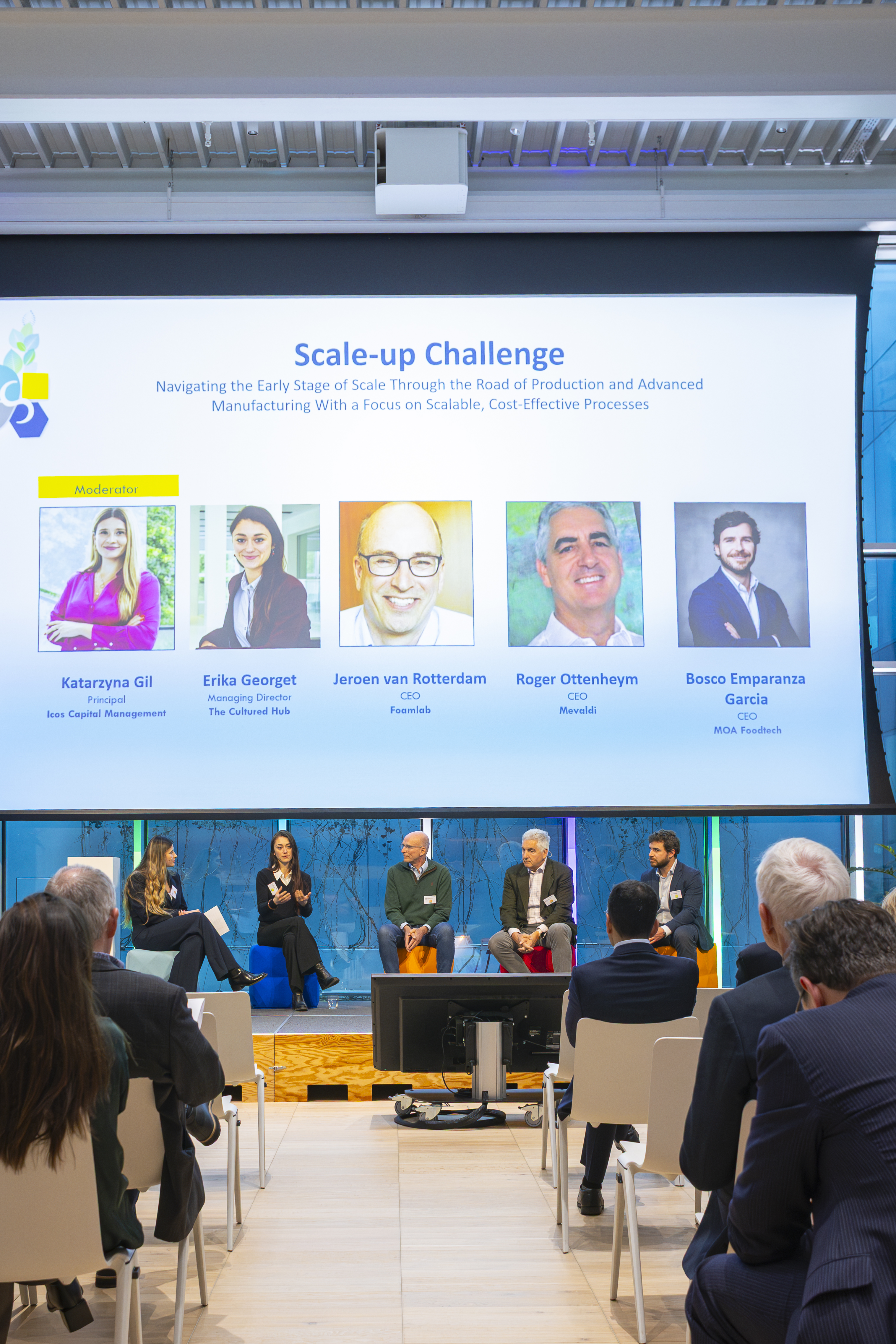
In this context, scaling up remains one of the most critical challenges for emerging companies, requiring speed, flexibility, and a clear understanding of market readiness. Participants at the Summit emphasized that success in scaling up depends not only on technological development but on the ability to move quickly, align with customer needs, and deploy assets effectively. This includes building the right team, maintaining transparency with customers throughout development, and ensuring that products meet both quality and price expectations.
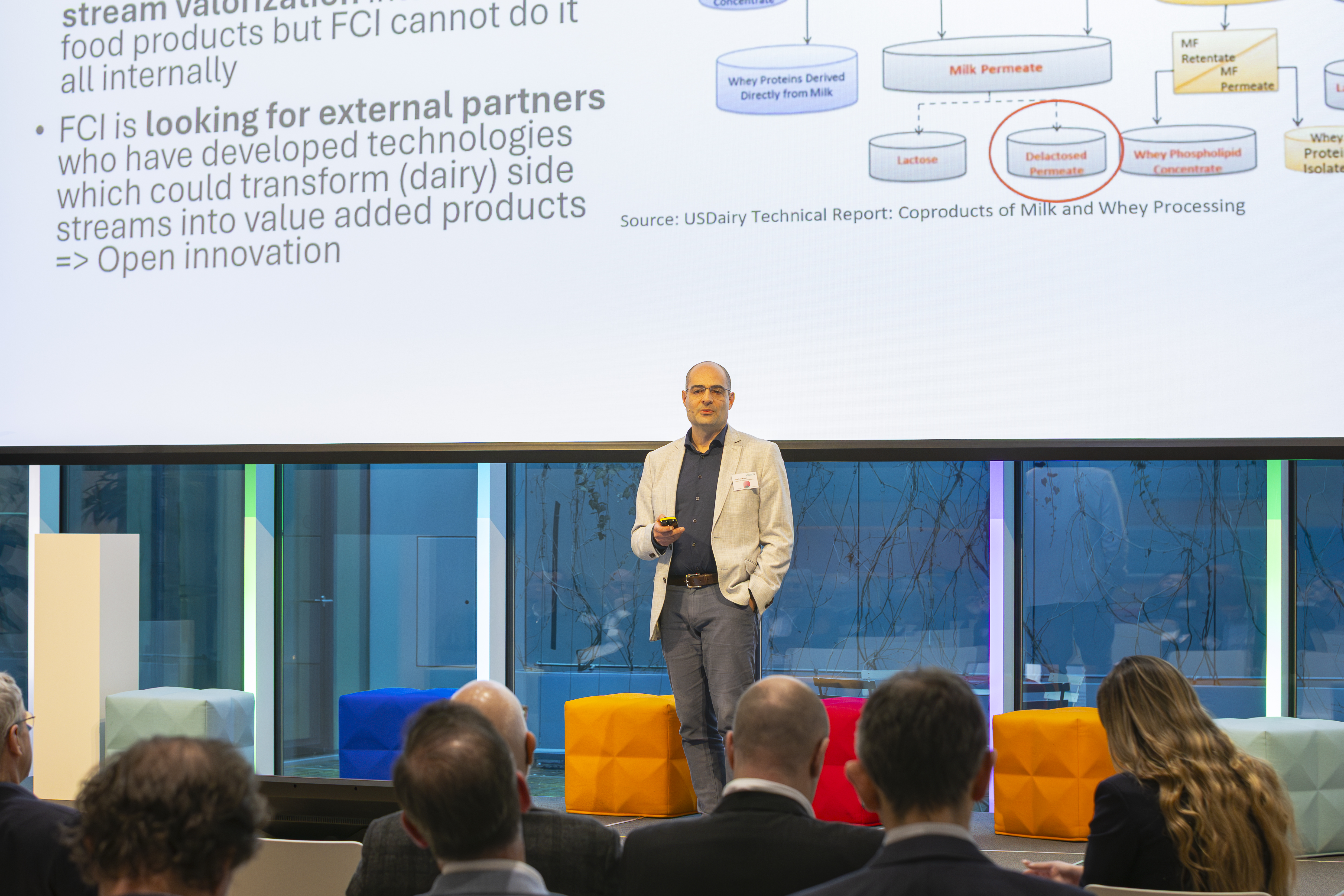
Across discussions, partnerships emerged as a central enabler, allowing companies to access infrastructure, accelerate production, and bridge the gap between innovation and industrial deployment. For corporates, collaboration is a way to accelerate innovation and respond more effectively to market changes. This approach is reflected in FrieslandCampina, a global dairy company headquartered in the Netherlands. “We are continuously looking for new solutions that can support our innovation strategy. Start-ups play an important role by bringing agility and energy, helping us to move faster and explore new opportunities,” said Jonathan Rason, Discovery & Venturing Manager at FrieslandCampina Ingredients. As a farmer-owned cooperative with around 16,000 dairy farmer members across the Netherlands, Belgium, Germany and France, FrieslandCampina collects and processes milk into a wide range of products, distributed in more than 100 countries.
Harnessing the power of AI
Harnessing the power of artificial intelligence (AI) in the food and bioprocessing industries was also an important focus on in-depth discussions. Participants highlighted AI’s potential to support decision-making, optimize complex processes, and improve efficiency across the value chain. At the same time, they noted that realizing this potential requires access to high-quality data and targeted investments, particularly as companies operate under increasing cost and funding pressures.
The “Collaborative Summit” continues to serve as a key platform for Icos Capital and Bühler to identify and engage with high-potential, sustainable start-ups. Both partners are further strengthening their efforts to support companies that are ready to scale and deliver industrial impact. Nityen Lal, Managing Partner at Icos Capital, said: “We continue to work closely with entrepreneurs who are addressing critical challenges in food, materials, and industrial systems. Our focus is on supporting those who are ready to scale and create measurable impact.”
Start-ups and innovators interested in collaboration are encouraged to connect directly with Icos Capital via https://www.icoscapital.com or directly at info@icoscapital.com.



Do you have a question? Contact our Media Relations team.
Gupfenstrasse 5
Uzwil
9240
Switzerland