Megacasting for lighter, stronger, and smarter vehicles
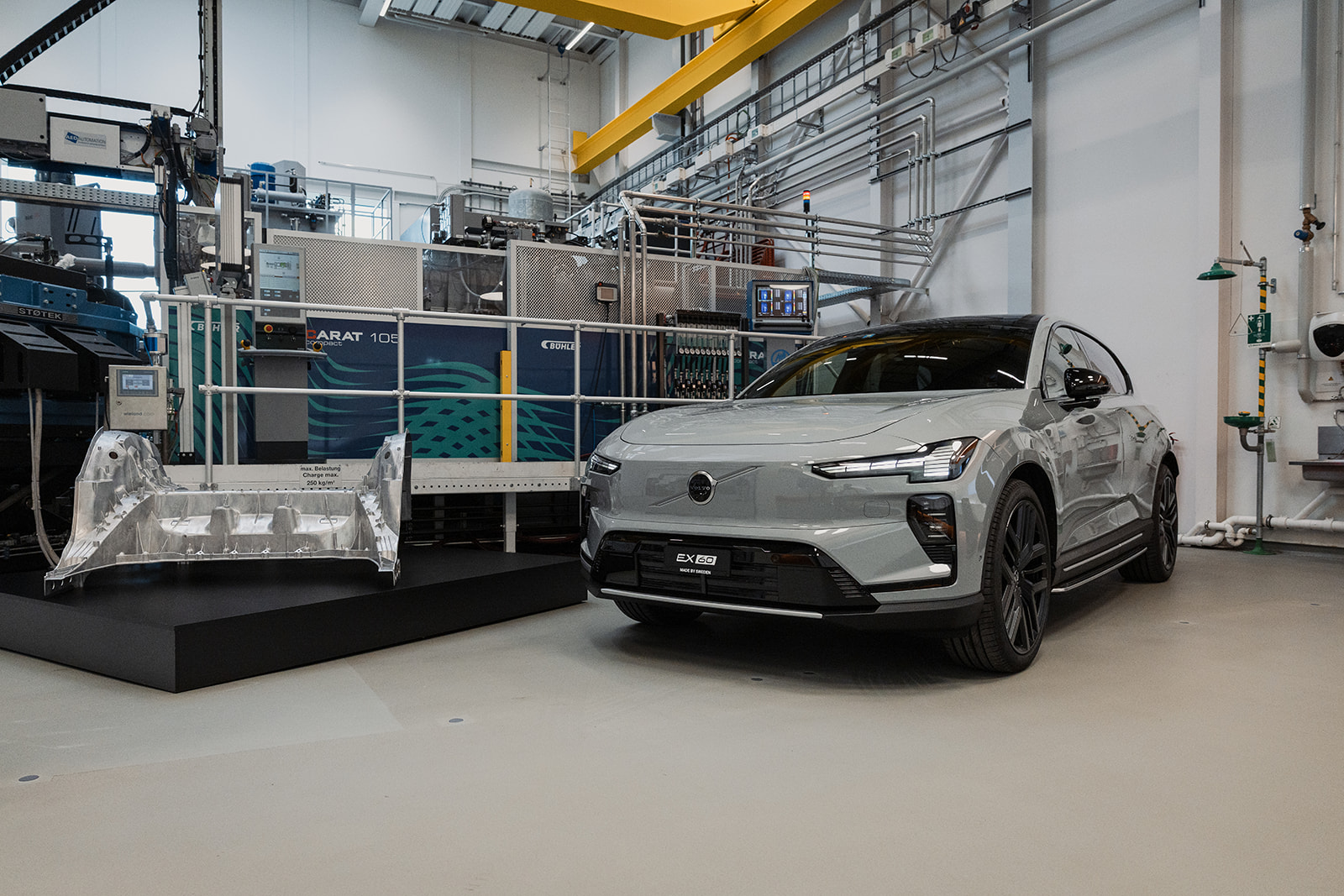
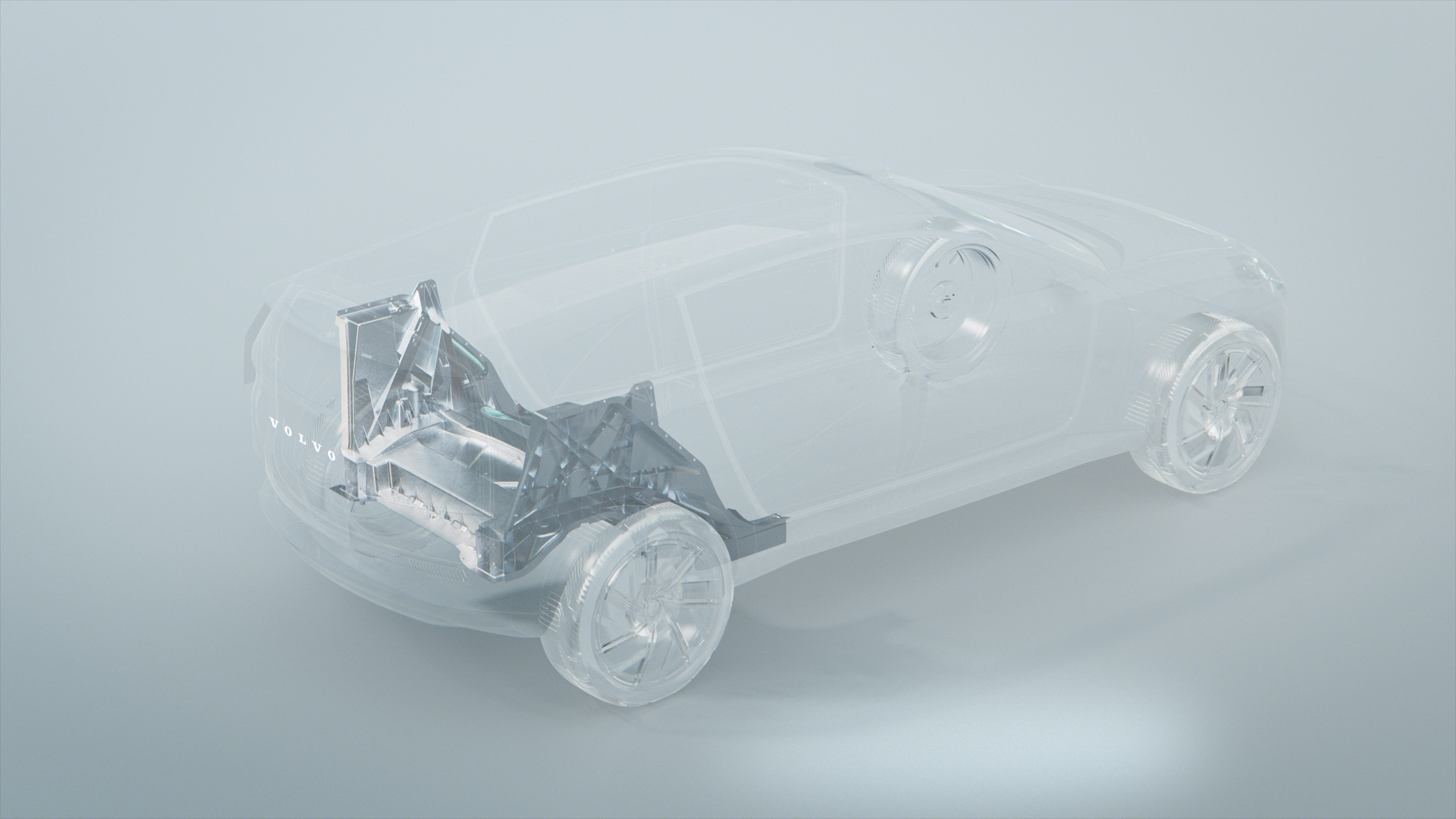
Uzwil (Switzerland), September 29, 2026 – Bühler's megacasting technology enters series production in Europe with the new Volvo EX60. At the automaker’s Torslanda plant in Sweden, two Bühler Carat 840 die-casting cells manufacture the vehicle's rear underbody as a single aluminum part, replacing about 100 conventionally manufactured and assembled components. This reduces weight, a key advantage for electric vehicles, helping to lower energy consumption and extend driving range. With the EX60, Volvo becomes the first European carmaker to deploy megacasting technology in series production.
Megacasting uses high-pressure die casting to produce large vehicle-body sections in a single piece. In conventional manufacturing, the same structure consists of several parts that must be transported, stored, assembled, and welded. At Volvo Cars’ Torslanda plant, the EX60’s rear underbody is cast close to the vehicle assembly line. The one-piece design reduces production and logistics steps, contributing to lower weight and greater structural rigidity.
Lower weight is particularly important for electric vehicles, as it can reduce energy consumption and increase driving range. The EX60 is based on Volvo Cars’ SPA3 electric-vehicle platform, which integrates the battery into the vehicle structure as a load-bearing element.
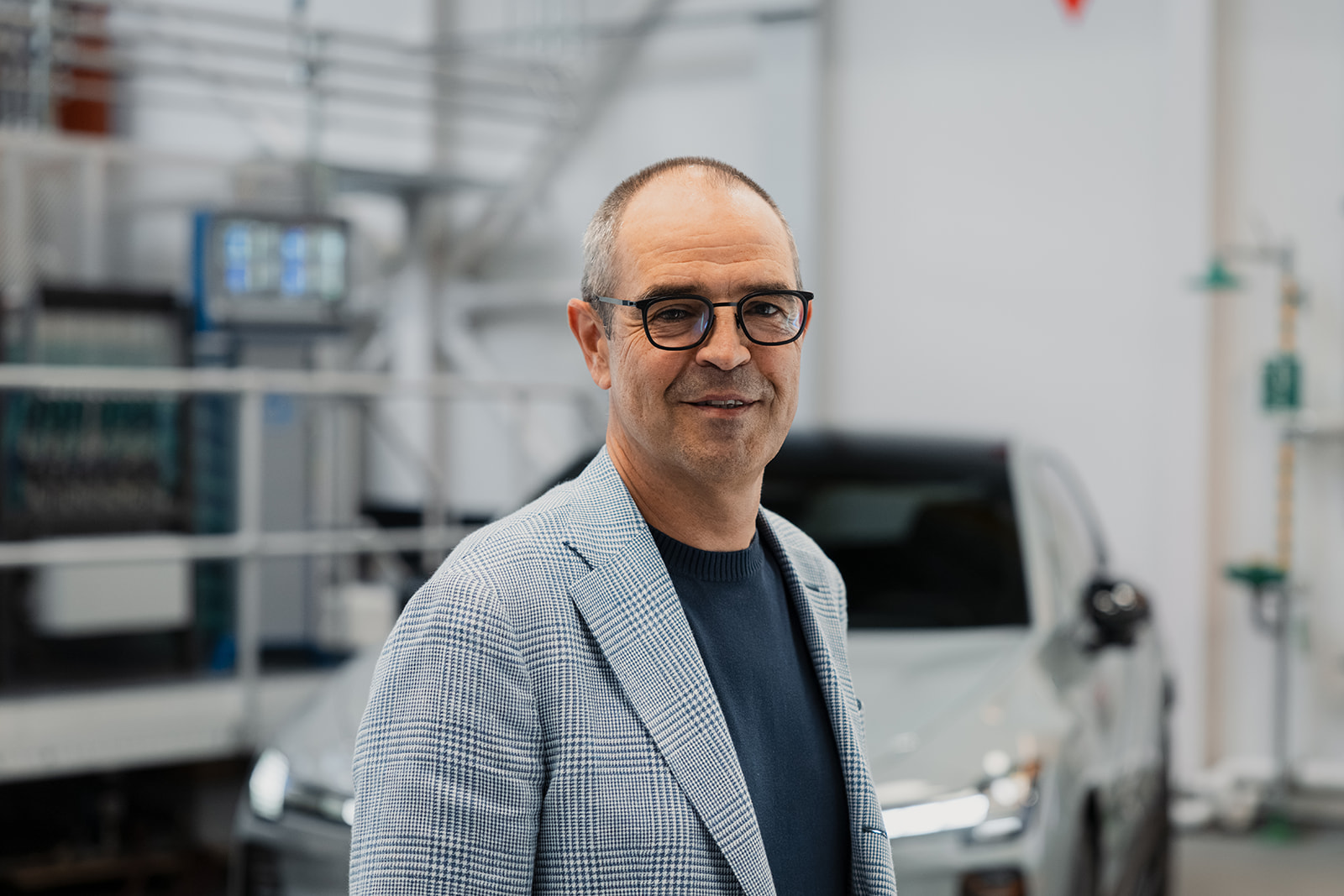
"We are proud to see the Volvo EX60 on the streets with a megacasting part produced using Bühler technology. This milestone demonstrates how close collaboration and industrial-scale innovation can turn advanced manufacturing concepts into series production," says Cornel Mendler, Managing Director Die Casting at Bühler.
8,400 tons of locking force
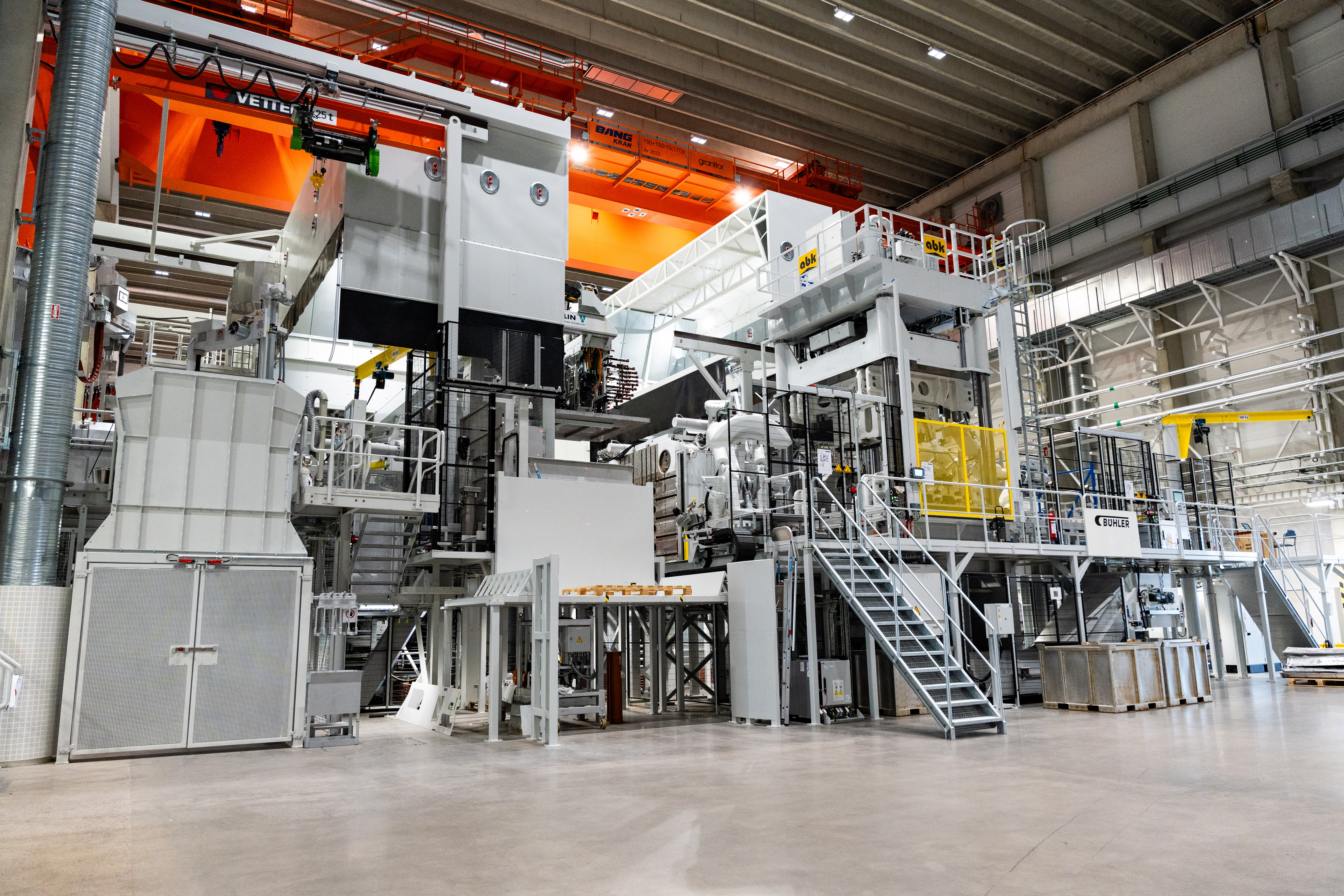
The scale of the project is reflected in the dimensions of the die-casting equipment used at Torslanda. Each Carat 840 provides 8,400 tons of locking force to keep the mold closed while liquid aluminum is injected at high pressure. The machine can inject more than 200 kilograms of aluminum within milliseconds.
Each casting cell is 7.6 meters high, occupies around 160 square meters, and weighs more than 1,000 tons when fully installed. Delivering the two cells to Torslanda, 12 kilometers from Gothenburg, required 120 truckloads.
The rear underbody is produced using a 130-ton die with modular inserts. Individual sections of the tooling can be changed without replacing the entire die, helping Volvo implement design changes faster.
The project is the result of years of close collaboration between Volvo Cars and Bühler. “The Volvo EX60 represents a significant technological leap for Volvo Cars. We have invested many hours and kilometers in developing the new Volvo EX60, which is one of the most advanced cars on the market. We are particularly proud that the megacasting technology from Bühler Group brings Swiss innovation to this new generation of vehicles. In this way, the EX60 combines our Swedish roots with Swiss technology and demonstrates how international collaboration can help drive the future of electric mobility,” says Jesus Fernandez de Mesa, Managing Director of Volvo Car Switzerland and Head of Central Europe Cluster.
From emerging technology to industrial reality
To bring megacasting into series production, Volvo Cars created the industrial conditions needed to operate the technology at scale. They built a dedicated hall at Torslanda and trained specialist teams. The installation is the company’s first in-house megacasting facility and marks the first use of the process within its global production network.
Megacasting extends structural die casting from individual components to complete sections of the vehicle body. The entire process, from melting and die filling to component handling and assembly-line integration, must work as one production system.
“The EX60 is another example of how megacasting is becoming an established part of the automotive manufacturing. As automakers seek more efficient ways to produce electric vehicles, large structural castings are playing an increasingly important part of next-generation vehicle architectures,” says Cornel Mendler.
100 years of die-casting expertise
Bühler has been active in die casting for almost 100 years, supplying die-casting solutions to customers worldwide. Megacasting is a further development of the structural casting process, in which complex, thin-walled parts are produced using die casting. Bühler has been driving the development of this technology together with customers since the late 1990s. Today, the Carat series is one of the most widely adopted megacasting solutions in the automotive industry.
Following the successful introduction of the Carat 560 and Carat 610 in 2020, with locking forces of 5,600 and 6,100 tons respectively, Bühler launched the larger Carat 840 and Carat 920 models in 2021. By 2025, the company had reached the mark of its 50th Carat megacasting order. Eight of the world’s 10 largest vehicle manufacturers use megacasting; five of them have placed orders with Bühler. In addition to supplying die-casting equipment, Bühler supports customers with component development, cell integration, training, and process optimization.
More information: Bühler megacasting technology
Explore related news, resources, and downloads in our Media Corner.
Gupfenstrasse 5
Uzwil
9240
Switzerland